After a year of devastating natural disasters, conflict, and a global financial crisis, your Sadaqah and 100% Zakat donations can bring lasting positive change for future generations.
With your heartfelt support, we have touched the lives of over 1.6 million disaster survivors and emergency beneficiaries, provided medical care to 2 million globally, and extended aid to 500 thousand in 12 countries. Can your compassion join ours in feeding 1 million people this Ramadan, sustaining water, nurturing young minds, and transforming communities? Together, we can make an even greater impact. Will you be a part of this transformative journey?
Join us in our commitment to assist those in need, and let's unite beyond compassion to make a lasting change.
Select From Single And Monthly Donations
Your donation will provide
ZakatWhere Most Needed
PKR5000.00 One offYour donation could provide
IFTAR MEALSWill provide cooked, warm and nutritious meals for vulnerable and impoverished people
Your donation could provide
IFTAR MEALSWill provide cooked, warm and nutritious meals for vulnerable and impoverished people
PKR15000.00 one offYour donation could provide
IFTAR MEALSWill provide cooked, warm and nutritious meals for vulnerable and impoverished people
PKR30000.00 one offYour donation could provide
IFTAR MEALSWill provide cooked, warm and nutritious meals for vulnerable and impoverished people
PKR45000.00 one offYour donation could provide
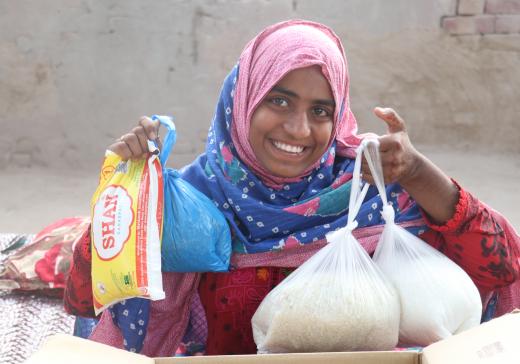
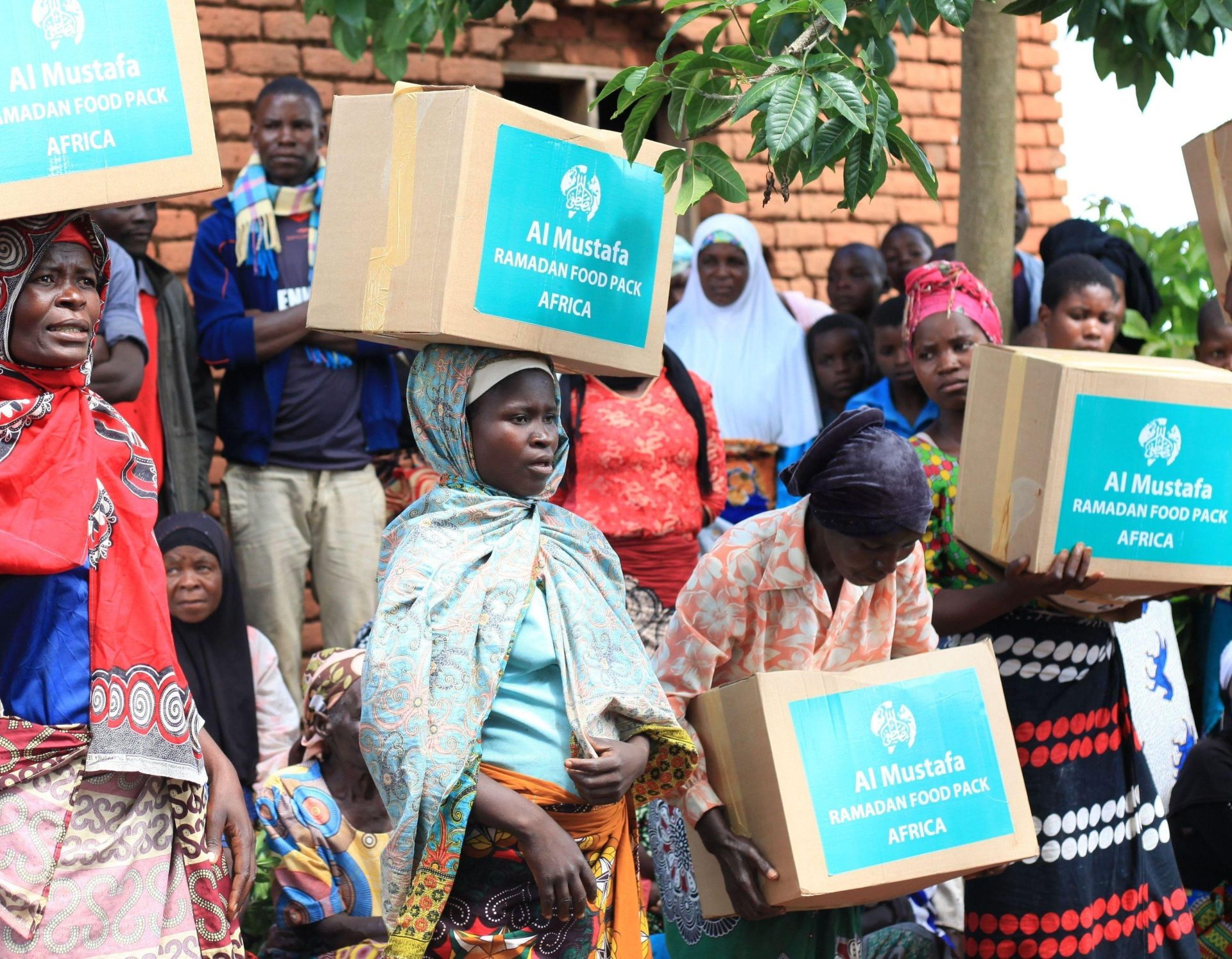
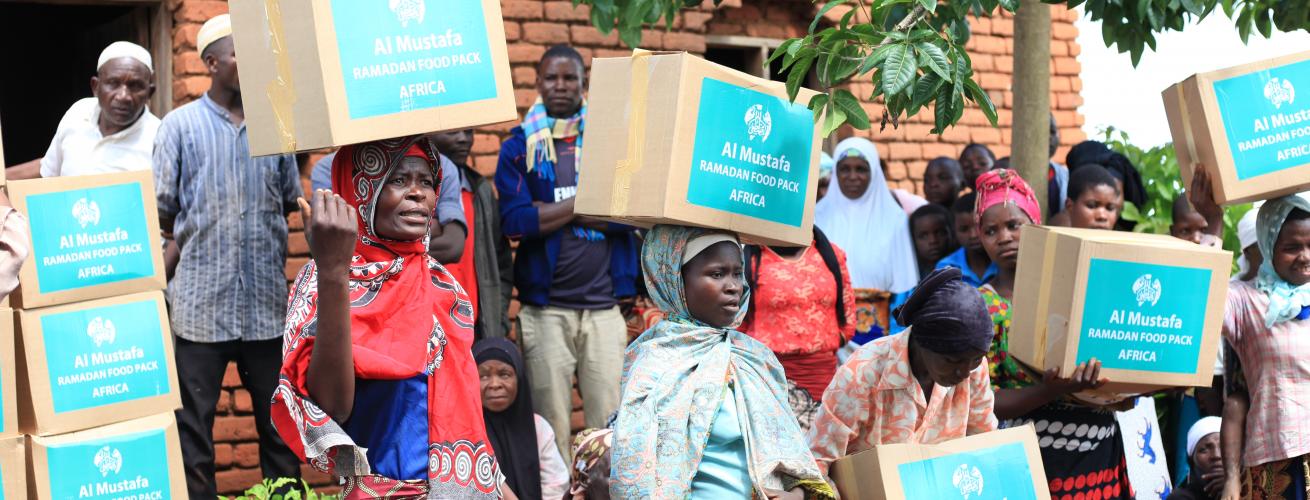
1 Ramadan food packWhich includes flour, rice, cooking oil, salt, tea, lentils, sugar, dates, chilli, powder milk and juices.
Your donation could provide
1 Ramadan food packWhich includes flour, rice, cooking oil, salt, tea, lentils, sugar, dates, chilli, powder milk and juices.
PKR20000.00 one offYour donation could provide
Fidyah (for one fast)Expiation of one missed fast due to unavoidable/acceptable excuse* (i.e. long term illness)
Your donation could provide
Fidyah (for one fast)Expiation of one missed fast due to unavoidable/acceptable excuse* (i.e. long term illness)
PKR320.00 In WheatYour donation could provide
Fidyah (for one fast)Expiation of one missed fast due to unavoidable/acceptable excuse* (i.e. long term illness)
PKR480.00 In BarleyYour donation could provide
Fidyah (for one fast)Expiation of one missed fast due to unavoidable/acceptable excuse* (i.e. long term illness)
PKR2800.00 In DatesYour donation could provide
Fidyah (for one fast)Expiation of one missed fast due to unavoidable/acceptable excuse* (i.e. long term illness)
PKR6400.00 In RaisinsYour donation could provide
Kaffarah (for one fast)Expiation of one missed fast without a valid excuse*
Your donation could provide
Kaffarah (for one fast)Expiation of one missed fast without a valid excuse*
PKR19200.00 In WheatYour donation could provide
Kaffarah (for one fast)Expiation of one missed fast without a valid excuse*
PKR28800.00 In BarleyYour donation could provide
Kaffarah (for one fast)Expiation of one missed fast without a valid excuse*
PKR168000.00 In DatesYour donation could provide
Kaffarah (for one fast)Expiation of one missed fast without a valid excuse*
PKR384000.00 In RaisinsYour donation could provide
Fitrana for 1 personYour donation could provide
Fitrana for 1 person PKR320.00 In WheatYour donation could provide
Fitrana for 1 person PKR480.00 In BarleyYour donation could provide
Fitrana for 1 person PKR2800.00 In DatesYour donation could provide
Fitrana for 1 person PKR6400.00 In RaisinsIt doesn’t need to be this way. Help us Feed 1 Million this Ramadan, and give joy! Together we can make sure nobody goes hungry this blessed month. Thanks to our 100% Zakat Policy, you can be sure that 100% of your donation will go directly to providing nutritious food to people in need. Give a gift of Food so everybody can have a joyous, healthy and wonderful Ramadan full of good, nutritious food and good health. “Whoever feeds a fasting person will have reward like that of the fasting person, without any reduction in his reward.” (Tirmidhi)
Join our Feed 1 Million Ramadan Challengeand ensure that impoverished communities have enough food for Suhoor & break their fast!
Zakat means alms, but the actual meaning of Zakat is purification and growth, thus encouraging growth and equality amongst the population and community whilst sharing one's wealth with his fellow beings. It is an obligation upon all sane, adult Muslims whose total annual wealth meets or exceeds the nisab value, and it forms one of the central Five Pillars of Islam. By giving a fixed percentage of your overall wealth each year to support those in need, you will be fulfilling the wishes of Allah (SWT) and completing a key component of your faith. With your zakat donation, expect to see changes for the better in many countries around the world. You’re really blessed and with your help, together we can fix the rest.
Giving Zakat on an annual basis is seen as an important religious duty in Islam. It becomes obligatory upon an individual when a certain amount of maintained money or wealth is reached and exceeded. If the individual’s amount of profitable wealth falls below the nisab value, then that individual is not liable to pay Zakat in that given lunar year*. If the amount of personal, profitable wealth meets or exceeds the nisab value, then the individual must pay 2.5% of the total amount above the nisab value as Zakat in that lunar year.
* Based on the lunar cycle, an Islamic calendar year is 355 days on average.
You can use our handy online tool to calculate your zakat quickly and easily.
Alternatively, you can then work out your total wealth using the following calculation:
Personal and business assets – short-term liability = your total wealth
If this figure is above the nisab value, you are eligible to pay Zakat.
When calculating the total amount of personal and business assets, you will also need to include the following assets:
Your personal finances and assets contribute to your total wealth, however, essential items that are necessary for comfortable day-to-day living are exempt from the Zakat total. This includes the home you live in and the primary car you drive, but it’s worth noting that Zakat is due on any additional vehicles and second properties you may own.
The following items - your liabilities - should be exempt from your Zakat calculation:
Zakat rules define those eligible to pay as being:
To summarise, those eligible to give Zakat are adult Muslims, working or earning more than the nisab value and able to meet their and their family’s daily needs without struggling.
On the other hand, Zakat must be distributed amongst eight set groups of people as defined in the Holy Qur’an:
The nisab value is the term given to the threshold at which Muslims are eligible to pay Zakat. Two differing values are used to calculate the nisab threshold; these are the current monetary worth of 87.48 grams of gold and 612.36 grams of silver. When working out the amount of Zakat you need to pay, the value taken is the precious metal cost on the date of the calculation, which applies to the total wealth held for a full Islamic lunar year.
Another Islamic term you may find referenced is ‘Hawl’ – this is the term used to describe the Islamic lunar year. Zakat payments must be made once every Hawl from the date your total wealth exceeds the nisab value and has remained above the threshold for an entire lunar year.
If your wealth changes, you will need to adjust your Zakat accordingly to ensure you are paying the correct amount. Similarly, if your wealth drops below the nisab value, you will no longer be eligible to pay Zakat.
Your personal finances and assets contribute to your total wealth, however, essential items that are necessary for comfortable day-to-day living are exempt from the Zakat total. This includes the home you live in and the primary car you drive, but it’s worth noting that Zakat is due on any additional vehicles and second properties you may own.
The following items - your liabilities - should be exempt from your Zakat calculation:
When calculating the total amount of Zakat you need to pay, you will also need to consider the following assets:
With all this information in mind, you can then work out your total wealth using the following calculation:
Personal and business assets – short-term liability = your total wealth
If this figure is above the nisab value, you are eligible to pay Zakat.
Your zakat payment period for the year will start on the date when your wealth first equalled or exceeded the nisab. After this, zakat must be calculated and paid once each lunar year has passed, and it will then fall every year thereafter on that date. If you are not able to remember this date, then you should make an estimate. If this is not possible, you should select a specific Islamic date to adhere to, instead. It is not obligatory to pay zakat during Ramadan, but many Muslims prefer to as giving to charity during this time guarantees greater rewards.
If possible, it is better to give zakat in your local community. This is due to the instruction that the Messenger of Allah (PBUH) gave to his companion, Mu’adh, who was sent to Yemen to spread the message of Islam.
“O Mu’adh! Inform them that Allah (SWT) makes zakat obligatory for them. (It is) to be taken from their rich and given to their poor.” [Bukhari]
However, we must also distribute our zakat to people who are in great need across the world. We must learn to balance the giving of our zakat between local, national and international aims, without overlooking the importance of supporting those in need here in our own communities. After all, the number of eligible zakat recipients here in Pakistan is increasing – these people are entitled to the support of zakat payers in their own country.
Your zakat payment period for the year will start on the date when your wealth first equalled or exceeded the nisab. After this, zakat must be calculated and paid once each lunar year has passed, and it will then fall every year thereafter on that date. If you are not able to remember this date, then you should make an estimate. If this is not possible, you should select a specific Islamic date to adhere to, instead. It is not obligatory to pay zakat during Ramadan, but many Muslims prefer to as giving to charity during this time guarantees greater rewards.
If zakat has not been paid in previous years, an honest attempt must be made to calculate the outstanding amount of money owed. You must then ensure that this is paid as a matter of urgency.
Zakat can be spread throughout the year, but the total amount must be paid by the due date.
You can set up a regular monthly payment like a direct debit if you wish to pay your zakat in smaller instalments. If you choose to pay your zakat with Al Mustafa Pakistan, certain campaigns and sponsorships are zakat-eligible so you can spread the rewards of your generosity throughout the year.
Applicable assets to include in your zakat calculation are as follows: cash, shares, pensions, gold, silver, business goods, crops and cattle. Personal items like your home, furniture, cars, food and clothing do not count towards your total, although zakat is due on any investment properties.
Tola is a unit of weight used in the Asian subcontinent which equals the weight of a silver rupee. It is also known as bhori or yori. One tola equals 11.66 grams, meaning that 87.48 grams of gold equals 7.5 tola.